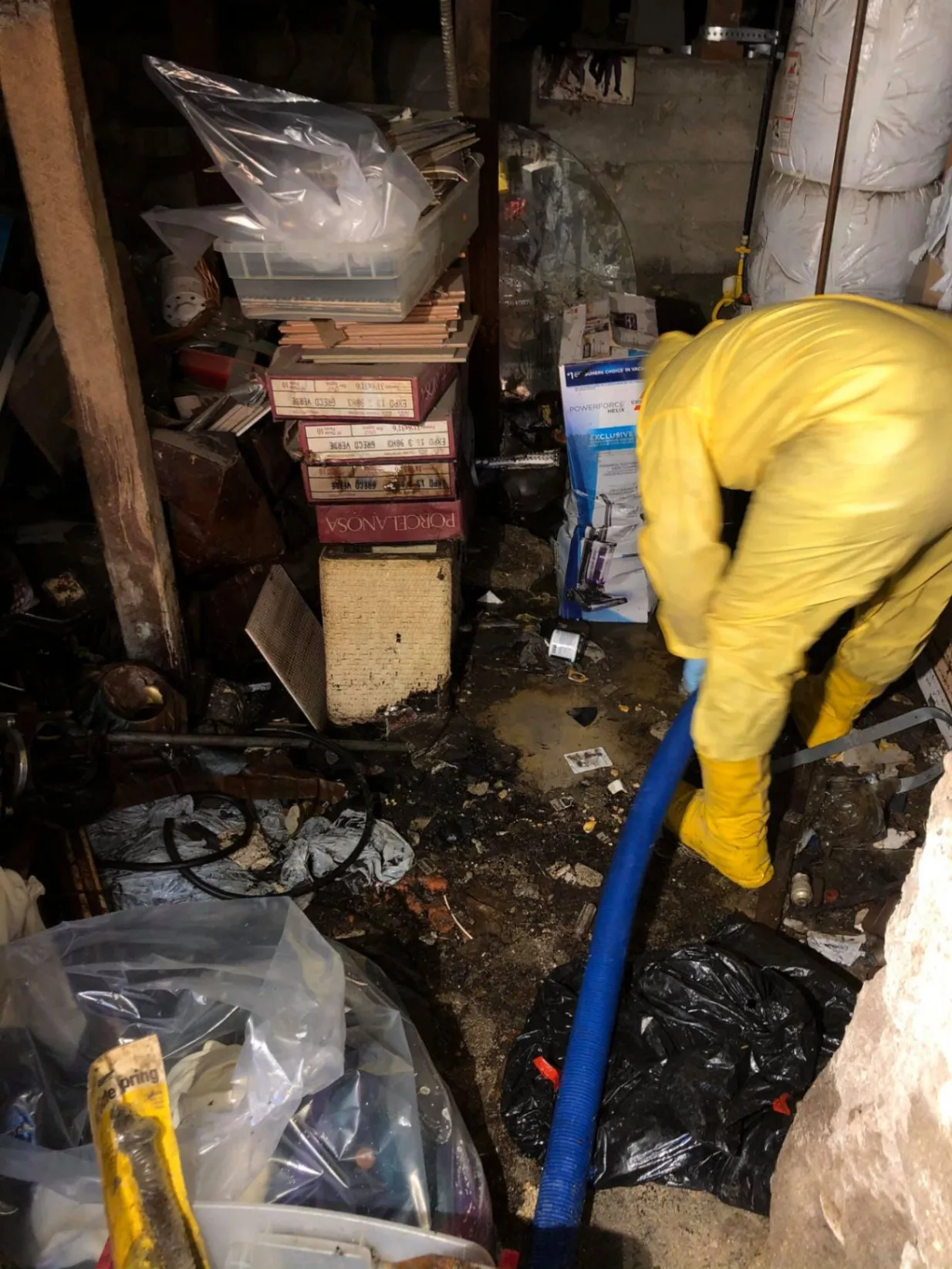
Smoke follows air pressure and temperature, which means it reaches spaces the fire never touched: closets, drawers, wall cavities, the HVAC system, upper floors and rooms behind closed doors. Soot is acidic and hygroscopic, so it continues to etch metal, discolor finishes, corrode electronics and bond more permanently to surfaces every day it is left in place. Response speed changes what can be saved.
We identify the residue type before selecting a method, because the wrong chemistry sets the residue permanently. Dry smoke from fast, high-temperature fires is removed with dry sponge and HEPA vacuuming before any wet cleaning. Wet smoke from smoldering fires is sticky and smeary and requires solvent-based cleaning and mechanical agitation. Protein residue from kitchen fires is nearly invisible, carries an intense odor and demands enzymatic and degreasing agents. Fuel oil soot requires its own approach. Cleaning proceeds top down, room by room, including inside cabinets, drawers, closets, light fixtures and the HVAC system.
Cleaning removes most of the odor. What remains is treated with the appropriate technology, which may include HEPA air scrubbing, hydroxyl generation in occupied spaces, ozone in unoccupied structures, thermal fogging to follow the original smoke penetration path, duct cleaning, and sealing of framing and substrates that cannot be replaced. We verify results after the building has been closed up and warmed, which is when incomplete deodorization reveals itself.
Other Services
We Cover miles, around 46 cities
Select a location
Choose a city from the tabs above to view its map.