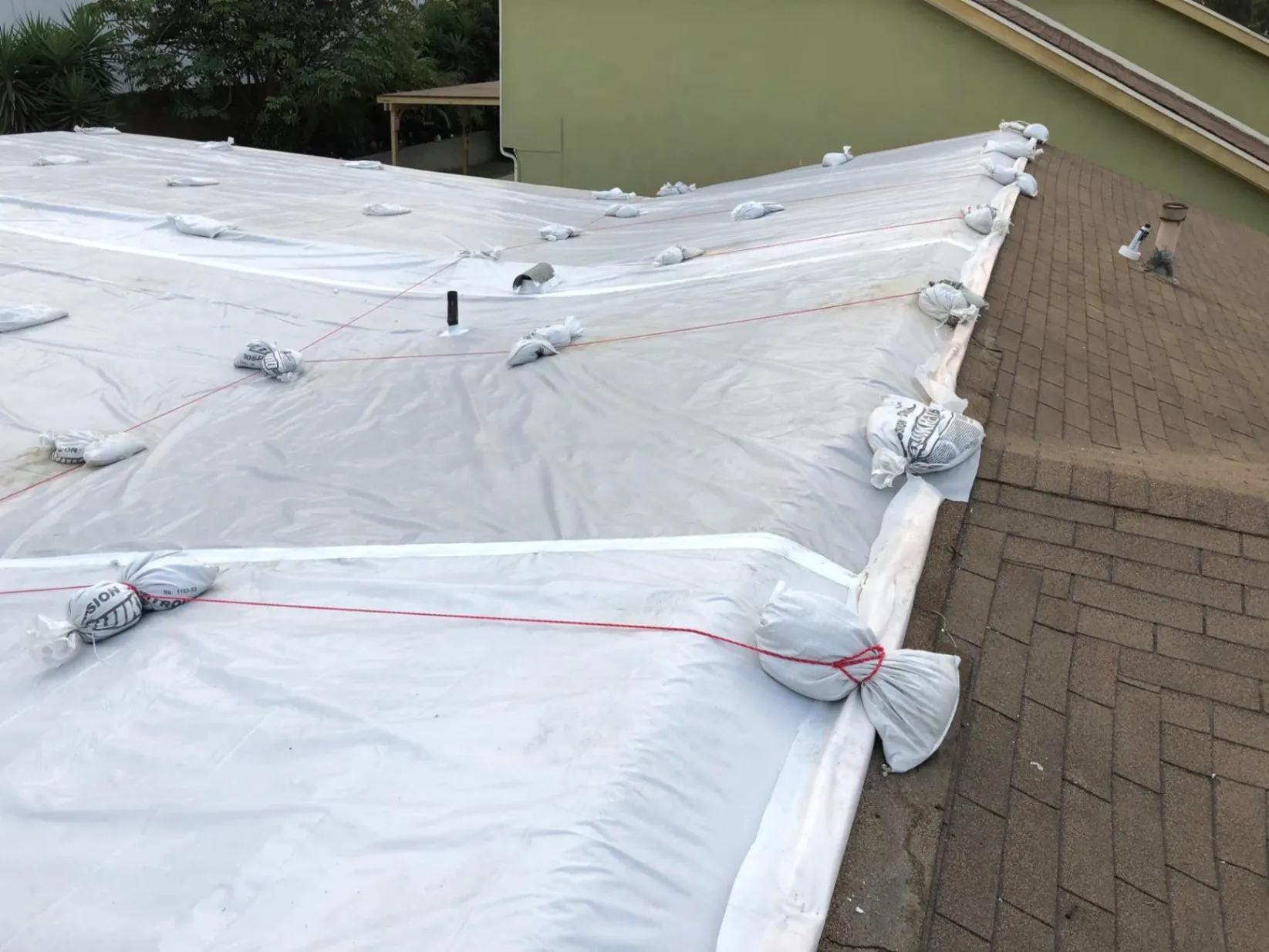
Water that enters a building from outside, from storm surge, rising groundwater, overwhelmed storm drains or a failed retaining structure, is Category three water. It carries soil, sewage, agricultural and industrial runoff, fuel and pathogens, and it contaminates everything porous it touches. Flood restoration is therefore a biohazard remediation project with a drying component, not a drying project, and treating it as ordinary water damage puts occupants at risk.
We extract standing water, remove and dispose of contaminated porous materials including carpet, pad, saturated drywall, insulation and affected contents, and clean the remaining structure through a controlled sequence: gross debris and silt removal, detailed cleaning of all surfaces, application of an EPA-registered antimicrobial, then engineered structural drying with dehumidification and directed airflow monitored daily to dry standard. Crews work in appropriate protective equipment under containment and negative air.
Because flooding tends to repeat, we address the conditions that allowed it. That can include corrected site grading and drainage, sump and backflow prevention systems, foundation and crawlspace waterproofing, flood vents, elevated mechanical equipment, and reconstruction using flood-resistant materials and detailing in vulnerable areas. You receive full documentation for both the insurance claim and any FEMA or disaster assistance filing.
Other Services
We Cover miles, around 46 cities
Select a location
Choose a city from the tabs above to view its map.