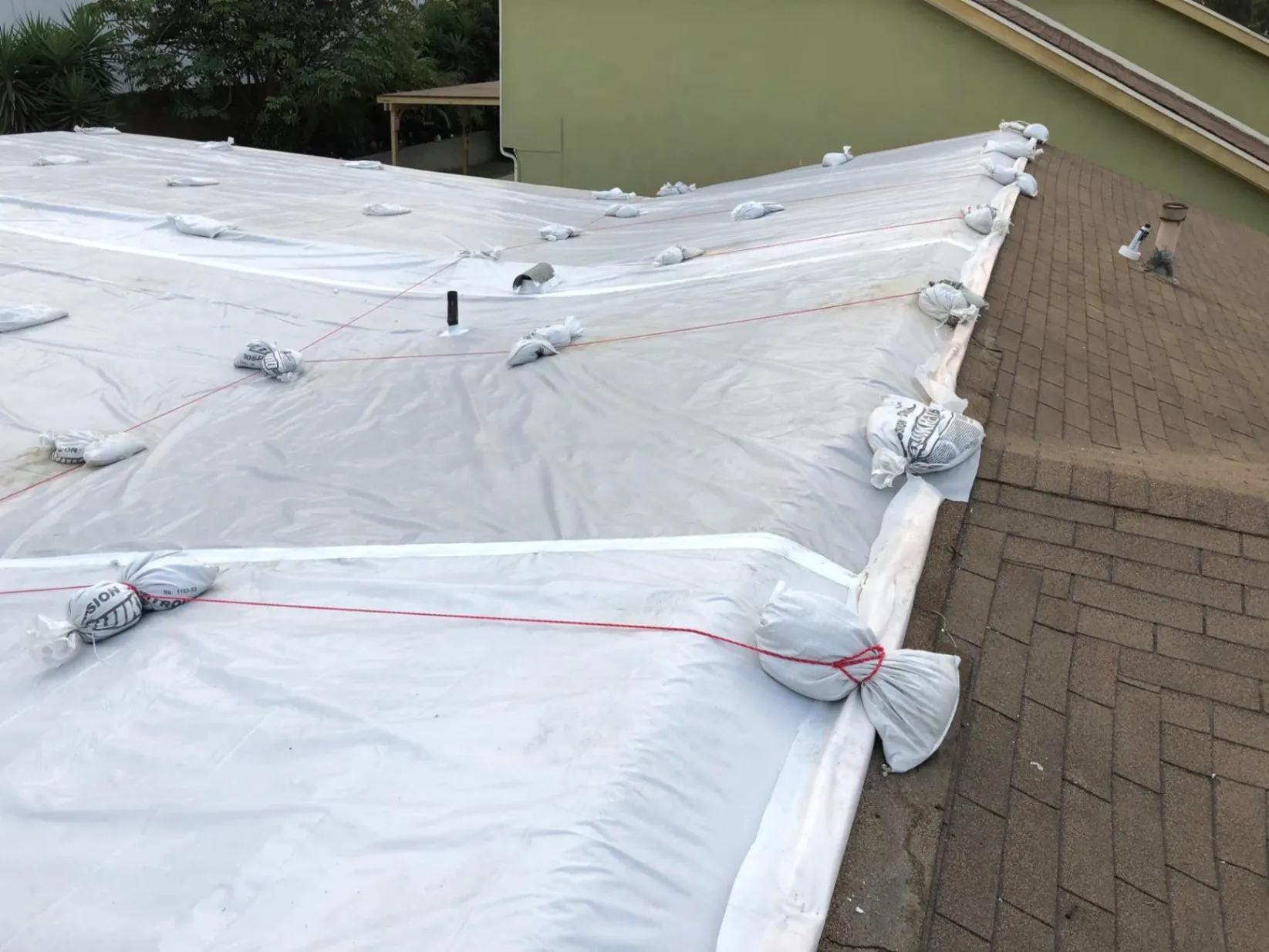
Flood Restoration and Mitigation in Rolling Hills Estates, CA

Flood Restoration and Mitigation

Flood Water Is a Different Problem

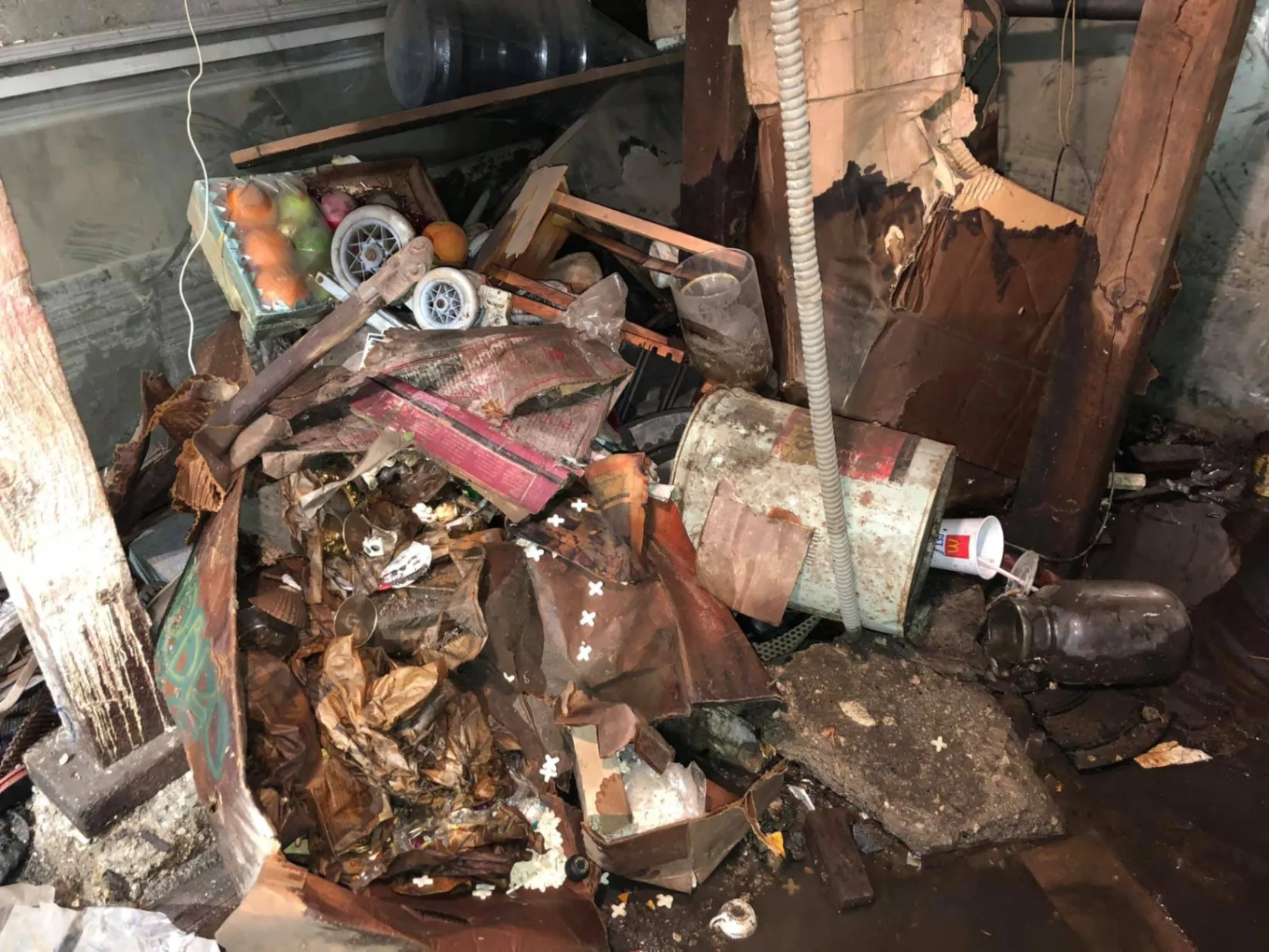
Water that enters a building from outside, from storm surge, rising groundwater, overwhelmed storm drains or a failed retaining structure, is Category three water. It carries soil, sewage, agricultural and industrial runoff, fuel and pathogens, and it contaminates everything porous it touches. Flood restoration is therefore a biohazard remediation project with a drying component, not a drying project, and treating it as ordinary water damage puts occupants at risk.
Flood Restoration and Mitigation

Remediation and Structural Drying

We extract standing water, remove and dispose of contaminated porous materials including carpet, pad, saturated drywall, insulation and affected contents, and clean the remaining structure through a controlled sequence: gross debris and silt removal, detailed cleaning of all surfaces, application of an EPA-registered antimicrobial, then engineered structural drying with dehumidification and directed airflow monitored daily to dry standard. Crews work in appropriate protective equipment under containment and negative air.

Flood Restoration and Mitigation

Mitigating the Next Event

Because flooding tends to repeat, we address the conditions that allowed it. That can include corrected site grading and drainage, sump and backflow prevention systems, foundation and crawlspace waterproofing, flood vents, elevated mechanical equipment, and reconstruction using flood-resistant materials and detailing in vulnerable areas. You receive full documentation for both the insurance claim and any FEMA or disaster assistance filing.

We proudly offer Flood Restoration and Mitigation in Rolling Hills Estates, CA and nearby areas.

Other services in Rolling Hills Estates, CA

Non-Destructive Detection and Inspection
Rolling Hills Estates, CA
Before a single piece of drywall comes out, we build a complete picture of what the damage actually is and how far it has traveled. Restotech uses non-invasive diagnostic equipment to read moisture, temperature and air quality behind finished surfaces, so the scope of work is driven by evidence instead of guesswork. This matters most in occupied homes, tenant-occupied units and commercial spaces where unnecessary demolition means lost time, lost revenue and a larger insurance claim than the loss actually warrants.
View details
Thermal Infrared Camera and Borescope Inspection
Rolling Hills Estates, CA
Thermal imaging reads surface temperature differentials across walls, ceilings and floors. Because evaporating moisture cools a surface, water that has migrated inside an assembly shows up as a distinct thermal pattern long before it becomes a visible stain. Borescope inspection complements this by putting a camera directly inside a wall cavity, soffit, chase or subfloor void through a small access port, giving us a live view of framing, insulation and the back side of finishes without opening the assembly.
View details
Moisture Mapping
Rolling Hills Estates, CA
Moisture mapping converts a water loss into measurable data. We record moisture content readings at fixed, repeatable points across every affected material, plot them against a dry standard established from unaffected material of the same type in the same structure, and draw the true boundary of the wet area. Water migrates by capillary action along framing, under flooring and through insulation, so the visible wet spot is almost never the real perimeter.
View details
Microbial Identification and Assessment
Rolling Hills Estates, CA
Not every dark stain is mold, and not every mold problem is visible. Microbial assessment establishes whether microbial growth is present, what type it is, how much of the structure it affects and what conditions are sustaining it. Restotech performs the field assessment and coordinates laboratory analysis so the remediation scope is built on findings, not on assumptions, and so you are not paying to remove something that does not require removal.
View details
Subcontracted Specialty Services: Lead and Asbestos
Rolling Hills Estates, CA
Buildings constructed before 1978 frequently contain lead-based paint, and asbestos was used in drywall joint compound, floor tile and mastic, popcorn ceilings, pipe and duct insulation, roofing and stucco well into the 1980s. Disturbing these materials during a restoration is a regulated activity with real legal and health consequences. Restotech identifies the risk at the inspection stage and brings in licensed specialty contractors before any demolition begins.
View details
Mold, Fungi, Bacteria, Smoke and VOC Testing
Rolling Hills Estates, CA
Indoor air quality complaints rarely have a single cause. A property may carry fungal growth in a wall cavity, bacterial contamination from a sewage backup, residual smoke particulate from a fire, and elevated volatile organic compounds from building materials or cleaning products at the same time. Restotech evaluates the full range of contaminants together, so you are not solving one problem while the actual source of the complaint goes untouched.
View details

Other services in other locations

We Cover miles, around 46 cities

Select a location

Choose a city from the tabs above to view its map.